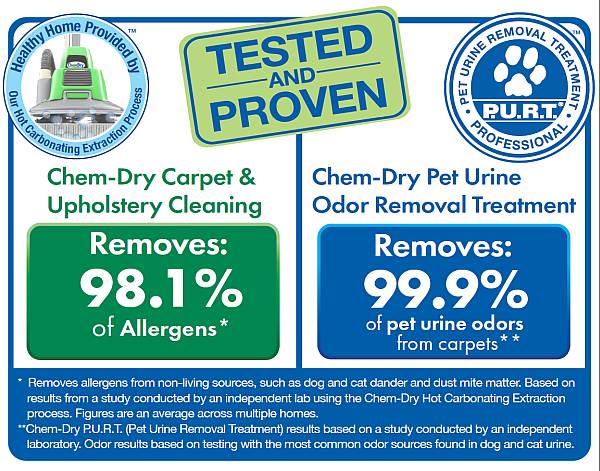
Professional upholstery cleaning in Ottawa is a critical winter maintenance task due to the “Closed-Window Effect,” where indoor air pollutants—including pet dander, skin oils, and salt residue from Kanata’s snowy streets—become trapped in furniture fibers. During January and February, Ottawa homes experience a 2–5x increase in indoor air pollution. Utilizing Hot Carbonating Extraction (HCE), Chem-Dry Imperial provides a deep-cleaning solution that uses 80% less water than traditional steam cleaning, ensuring furniture is dry and usable within hours. This process removes 98% of common household allergens and 89% of airborne bacteria. By adhering to IICRC S300 standards, professional technicians prevent permanent fiber damage caused by the abrasive nature of road salt and dry furnace air. This guide outlines the science of winter fiber degradation and the “Gold Standard” carbonation process used to restore Ottawa’s residential upholstery.
Why Ottawa Homes Face Unique Challenges
While most homeowners associate deep cleaning with “Spring Cleaning,” the technical reality is that January and February are the most volatile months for your furniture’s structural integrity. In regions like Kanata and Nepean, the combination of sub-zero temperatures and high-output indoor heating creates a microscopic “sandpaper effect” on fabric fibers.
1. The Abrasive Impact of Road Salt and Slush
When you or your pets return from a walk near the Canadian Tire Centre or local Kanata trails, microscopic salt crystals and calcium chloride are tracked into the home. These particles eventually settle into the crevices of sofas and armchairs. As people sit, these jagged crystals rub against fabric fibers, causing premature balding and thinning of the material.
2. The Humidity Gap and Fiber Brittleness
Ottawa’s indoor humidity often drops below 20% in the peak of winter. This lack of moisture causes natural fibers like cotton and linen to lose their elasticity. Brittle fibers are significantly more susceptible to staining because the protective “pores” of the fabric stay open, allowing liquid spills to penetrate the core of the cushion rather than staying on the surface.
3. The Bio-Load: Pets and Body Oils
During the “Big Freeze,” pets spend nearly 100% of their time indoors, often on the furniture. The transfer of sebaceous oils (skin oils) creates a sticky residue that acts as a magnet for dust and allergens. Without professional extraction, these oils go rancid, leading to the “winter musty smell” common in many Ottawa households.
Comparison: Professional vs. DIY Upholstery Care
Before attempting to clean your $3,000 sectional with a rented grocery store machine, consider the technical risks associated with high-moisture DIY methods in a cold climate.
| Feature | DIY / Rental Machine | Chem-Dry Imperial Professional |
| Water Usage | High (Drenches fabric & foam) | Low (80% less water) |
| Drying Time | 24–48 Hours | 1–3 Hours |
| Residue | Soapy/Sticky (Attracts dirt) | Zero Residue (Stays clean longer) |
| Bacterial Kill | Minimal | 89% Airborne Bacteria Removal |
| Risk | Mold, Mildew, Fabric Shrinkage | IICRC-Certified Safety |
Common Stains in the Ottawa Region
Understanding the chemistry of the stain is the first step toward effective removal. In Ottawa, we see a specific rotation of “Seasonal Stains” that require specialized pH-balanced treatments.
Protein-Based Stains
These include milk, blood, and meat-based sauces (common during holiday hosting). These must be treated with enzymatic cleaners. Applying heat to a protein stain “cooks” the protein into the fiber, making it permanent.
Tannin and Synthetic Dye Stains
Coffee, red wine, and “Winter Berry” teas are high in tannins. Because these are acidic, they require a specific alkaline counter-agent to break the bond between the dye and the upholstery fiber.
Salt and Mineral Deposits
The white crusty rings found on furniture near entryways are typically alkaline. They require a mild acidic rinse to neutralize the salt and prevent the fabric from becoming “stiff” or “crunchy” to the touch.
Fabric Type Breakdown
Not all furniture is created equal. The cleaning method must be calibrated to the specific “Cleanability Code” found on your furniture tag.
| Fabric Type | Durability | Winter Risk Factor | Recommended Cleaning |
| Synthetic (Polyester/Nylon) | High | Static buildup | HCE / Steam |
| Natural (Cotton/Linen) | Medium | Shrinkage & Browning | Low-Moisture Carbonation |
| Microfiber | High | Water spotting | Professional Extraction |
| Velvet | Low | Pile crushing | Dry/Low-Moisture Only |
The “Gold Standard” Process: Chem-Dry Imperial Kanata
When you book a service with Chem-Dry Imperial (located at 110 Didsbury Rd, Kanata), you aren’t just getting a “wash.” You are receiving a laboratory-tested restoration process designed to extend the life of your furniture.
1. The Power of Carbonation
Unlike traditional steam cleaners that use soapy water and high pressure to “blast” dirt, Chem-Dry uses the The Natural®. This solution contains millions of microscopic carbonated bubbles. These bubbles penetrate deep into the upholstery fibers, explode, and lift dirt, grime, and oils to the surface.
2. Hot Carbonating Extraction (HCE)
Once the carbonation has lifted the soil, our high-powered extraction equipment whisks it away. Because we don’t use soapy detergents, there is no sticky residue left behind. Your furniture stays cleaner for longer because there is nothing for new dirt to “stick” to.
3. IICRC Certified Technicians
Our team in Kanata is trained under the IICRC (Institute of Inspection, Cleaning and Restoration Certification) guidelines. This means we understand the molecular structure of different textiles and can identify potential issues—like color bleeding or fabric shrinkage—before they happen.
4. Sanitize and Protect
For homes with pets or allergy sufferers, we offer a specialized Healthy Home Package. This includes:
-
Professional Strength Deodorizer: Not a mask, but a molecular neutralizer that destroys odors at the source.
-
Chem-Dry Protectant: We apply a “stain-shield” that replaces the manufacturer’s original protector that has worn off over time.
Frequently Asked Questions
1. How long does it take for my furniture to dry in Ottawa’s winter?
Because Chem-Dry Imperial uses 80% less water than traditional steam cleaning, most upholstery is dry within 1 to 3 hours. In the winter, the dry air from your home’s furnace actually assists in this process, making it an ideal time for service.
2. Can you remove the “wet dog” smell from my sofa?
Yes. Our HCE process removes the trapped dander and oils that cause the odor. For more severe cases, we use a specialized P.U.R.T. (Pet Urine Removal Treatment) that breaks down urea crystals.
3. Is the cleaning solution safe for children and pets?
Absolutely. Our primary cleaner, The Natural®, is on the FDA’s G.R.A.S. (Generally Recognized as Safe) list. It contains no soaps, detergents, or harsh chemicals.
4. Why does my furniture feel “crunchy” after I tried to spot-clean it myself?
That “crunchiness” is actually dried soap residue. Most household cleaners are incredibly difficult to rinse out manually. That residue will eventually attract more dirt, causing a dark spot to appear.
5. How often should I have my upholstery professionally cleaned in Kanata?
For families with children or pets, we recommend a professional cleaning every 6 to 12 months. For low-traffic households, once every 18 months is usually sufficient to maintain the fiber integrity.
6. Do you clean leather furniture as well?
Yes. Leather requires a specific moisture-balance to prevent cracking. We use specialized leather cleaners and conditioners that restore the natural oils to the hide.
7. Will professional cleaning help with my winter allergies?
Yes. Upholstery acts as a giant air filter for your home. By extracting the trapped dust mites, pollen, and dander, we significantly improve the Indoor Air Quality (IAQ) of your living space.
About Chem-Dry Imperial
Serving the Ottawa and Kanata area since 1993, Chem-Dry Imperial is a family-owned and operated business committed to a healthier home environment. We understand the specific environmental stressors of the National Capital Region and provide a cleaning service that is as green as it is effective.