
Clean, well-maintained upholstery is central to a polished home environment. This article reviews professional upholstery cleaning techniques with an emphasis on eco-friendly options that enhance cleanliness and extend furniture life. Readers will gain a clear understanding of professional methods, their effectiveness, and the advantages of preserving upholstery appearance. Adopting environmentally responsible practices reduces chemical exposure and supports household health and safety.
This guide examines specific cleaning techniques, explains the Chem-Dry process, and provides practical maintenance recommendations so you can maintain a healthier living space. Coverage includes optimal deep-cleaning methods, the financial and aesthetic benefits of routine maintenance, and guidance for booking local upholstery cleaning services.
Eco-Friendly Solutions
Eco-friendly upholstery cleaning products play an important role in preserving indoor environmental quality. The Natural®, a green-certified cleaner, removes dirt and stains without relying on harsh chemicals, making it suitable for homes with children and pets. Using such products helps reduce environmental impact while achieving professional-level cleanliness.
Beyond environmental benefits, these solutions enhance occupant safety by minimizing exposure to aggressive chemical agents. Households with children or pets benefit from the reduced health risks associated with traditional cleaners. Prioritizing eco-friendly options contributes to a safer home environment.
Effectiveness of Techniques
Effectiveness depends on the chosen methodology; different approaches vary in their capacity for deep cleaning and stain removal. The following table provides a comparative overview of common upholstery cleaning techniques and their primary advantages.
| Cleaning Method | Benefits | Eco-Friendliness |
|---|---|---|
| Hot Carbonating Extraction | Deep cleans and revitalizes fibers | High, minimal water usage |
| Steam Cleaning | High temperature eliminates bacteria and dust mites | Moderate, depends on chemical usage |
| Dry Cleaning | Quick and convenient for delicate fabrics | Varies, influenced by solvents used |
This comparison indicates that Hot Carbonating Extraction offers a strong combination of cleaning performance and eco-efficiency. When selecting an upholstery cleaning approach, evaluate the long-term benefits for fabric health and indoor environmental quality.
Benefits of Maintaining Furniture Appearance
Routine maintenance of upholstery delivers several tangible benefits. Regular cleaning preserves fabric integrity, reduces wear, and helps protect the value of your furnishings. Additionally, a clean environment can improve health outcomes for allergy sufferers by lowering dust, allergens, and other contaminants.
Key benefits of routine furniture maintenance include:
- Prolongs Lifespan: Regular cleaning helps prevent fabric degradation, extending the life of your upholstery.
- Improves Indoor Air Quality: Clean furniture helps reduce allergens and improves the overall air quality in your home.
- Enhances Aesthetic Appeal: Well-maintained furniture presents a visually appealing space conducive to relaxation.
Collectively, these outcomes support integrating routine upholstery cleaning into standard home maintenance.
Clients seeking professional assistance may find local specialists, including Chem-Dry, effective for achieving optimal cleanliness and maintaining furniture appearance.
What Are the Best Upholstery Cleaning Methods for Deep Furniture Care?
Several proven techniques are suitable for deep upholstery care; each offers specific advantages depending on fabric type and soil conditions. The following methods are widely recommended for comprehensive furniture maintenance:
- Hot Carbonating Extraction: This method uses hot carbonation to lift dirt and grime from within the fibers, leaving upholstery clean and revitalized. It also dries quickly, reducing the risk of mold and mildew growth.
- Steam Cleaning: Utilizing high-temperature steam, this method effectively sanitizes and removes dirt from upholstery surfaces. However, it generally involves longer drying times.
- Dry Cleaning: Perfect for delicate fabrics, this method utilizes specialized solvents to remove stains without saturating the material. It is a quick solution that often requires less drying time.
Applying these techniques as appropriate to the fabric type will help maintain cleanliness and appearance over time.
How Does the Chem-Dry Low Moisture Process Deliver Superior Cleaning?
Chem-Dry’s Low Moisture Process uses substantially less water than traditional methods. By leveraging carbonated cleaning solutions, it cleans effectively without over-saturating fabrics, which facilitates faster drying times.
Carbonated microbubbles penetrate deep into upholstery fibers to lift soil and contaminants. This mechanism produces a thorough clean and contributes to allergen reduction, making it an appropriate choice for households with allergy concerns.
Combined, these features provide an efficient and safety-focused cleaning option. Familiarity with this approach enables homeowners to select the most suitable method for their upholstery needs.
What Are the Differences Between Dry Cleaning, Steam Cleaning, and Chem-Dry Methods?
Understanding the distinctions among these methods is essential when choosing an upholstery cleaning solution. The summary below highlights key differences to inform your decision.
- Dry Cleaning: This method involves the use of chemical solvents instead of water. While effective for certain fabrics, it may leave behind chemical residues and is less environmentally friendly.
- Steam Cleaning: This technique utilizes steam for disinfection and cleaning but can leave furniture wet for extended periods, which may lead to mold development.
- Chem-Dry: By utilizing a lower moisture approach with carbonated cleaning solutions, Chem-Dry effectively cleans while ensuring fabrics dry quickly, significantly reducing the risk of mold growth.
This comparison highlights Chem-Dry’s advantages in drying time and reduced environmental impact relative to traditional approaches.
How Can Professional Fabric Stain Removal Techniques Restore Upholstery?
Professional fabric stain removal applies targeted techniques tailored to the stain type and fabric construction. Technicians select methods that maximize stain lift without compromising the surrounding material. Common professional techniques include:
- Spot Cleaning: This targeted approach uses specific cleaners formulated for particular stains, offering effective results without damaging the surrounding fabric.
- Pre-Treatment: By applying special solutions to stains before comprehensive cleaning, professionals ensure deeper penetration and removal.
- Heat Activation: Some stain removal processes involve using heat to activate cleaning solutions, enhancing effectiveness for tough spots.
Professional stain removal restores appearance and revitalizes fibers, which contributes to extended upholstery service life.
Which Approaches Effectively Remove Pet and Food Stains in Upholstery?
Pet and food stains require deliberate, fabric-safe approaches. Professional services employ methods that address the specific chemistry of these stains while protecting material integrity. Effective strategies include:
- Immediate Action: Quickly blotting spills prevents them from setting, significantly improving the chances of complete removal.
- Specialized Pet Urine Removal Treatment (P.U.R.T.): For pet stains, using this specialized treatment effectively breaks down the enzymes responsible for odor and discoloration.
- Food Stain Removers: Employing appropriate cleaners designed for specific food stains ensures better outcomes while being fabric-safe.
When applied correctly, these approaches preserve upholstery appearance and structural integrity.
What Role Does Odor Elimination Play in Upholstery Cleaning Services?
Odor elimination is a core component of upholstery cleaning services. Fabrics frequently absorb odors from cooking, pets, and other sources, which can degrade indoor comfort. Effective cleaning addresses odor sources through assessment, treatment, and follow-up maintenance:
- Source Identification: Professionals assess the source of odors, such as pet urine or food spills, ensuring thorough treatment and prevention of recurrence.
- Deodorizing Solutions: Incorporating specialized deodorizers, like those used in Chem-Dry services, eliminates odors at the source rather than covering them up.
- Regular Maintenance: Regular cleaning and odor treatment improve indoor air quality, benefiting the health of all inhabitants.
Prioritizing odor elimination contributes to a fresher home atmosphere and supports occupant well-being.
Why Choose Eco-Friendly Upholstery Cleaning for Health and Environmental Benefits?
Eco-friendly upholstery cleaning addresses both health and environmental considerations. Such methods deliver several practical benefits, including:
- Health Safety: Reducing exposure to harmful chemicals promotes a safer living environment for families and pets.
- Sustainability: Using biodegradable and non-toxic cleaning products minimizes ecological impact and contributes to a healthier planet.
- Allergy Reduction: Eco-friendly cleaning methods often better address allergens, providing relief to individuals suffering from respiratory conditions.
Adopting eco-friendly cleaning practices enhances household safety while aligning with a sustainable approach to home care.
How Does Chem-Dry’s Carbonated Extraction Process Promote Chemical Safety?
Chem-Dry’s Carbonated Extraction method emphasizes safety by using The Natural®, a cleaner derived from natural ingredients that reduces the health risks associated with traditional cleaning agents. Key safety features include:
- Low Moisture: By using less water, the risk of mold and mildew is significantly reduced.
- Non-Toxic Ingredients: The Natural® is free from harsh chemicals, making it safe for people and pets.
- Rapid Drying: Quick drying times enhance safety by preventing the growth of mold or mildew commonly associated with lingering dampness.
This combination of effective cleaning and safety distinguishes Chem-Dry within the upholstery cleaning sector and offers reassurance to customers concerned about chemical exposure.
What Evidence Supports Allergy Reduction and Fast Drying in Upholstery Care?
Evidence indicates that professional upholstery cleaning methods can reduce allergens and deliver fast drying times. Notable findings include:
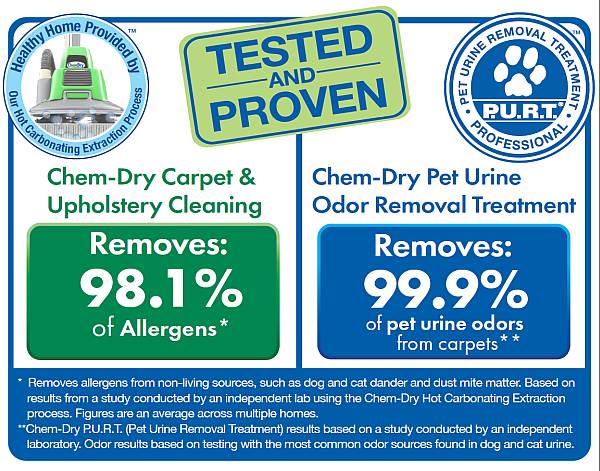
- Allergen Removal: Studies indicate that methods like Chem-Dry’s Carbonated Extraction have been shown to remove a significant percentage of common allergens from upholstery.
- Rapid Drying: The low moisture technique used in Chem-Dry’s cleaning process ensures most upholstery items dry in 1-2 hours, reducing the damp conditions that can lead to allergens flourishing.
- Health Improvements: Indoor air quality frequently tests significantly better in homes that routinely utilize professional upholstery cleaning services.
Employing validated cleaning methods supports both visual results and measurable health benefits, making regular professional cleaning a reasonable maintenance investment.
What Upholstery Maintenance Tips Ensure Long-Lasting Spotless Furniture?
Implementing deliberate maintenance practices is important to preserve appearance and extend furniture life. Consider these practical measures:
- Regular Vacuuming: Frequent vacuuming helps eliminate dust and upkeep fabric quality, preventing the buildup of grime.
- Quick Spill Response: Acting fast on spills by blotting rather than rubbing can significantly mitigate stains.
- Professional Cleanings: Scheduling professional cleanings every 12-18 months ensures thorough deep cleaning and maintenance.
Consistent application of these strategies helps maintain upholstery condition and prolongs useful life.
How Often Should Professional Upholstery Cleaning Be Scheduled?
Recommended scheduling varies by fabric type, household activity, and lifestyle. General guidance includes the following considerations:
- High-Traffic Areas: For furniture in high-use spaces, scheduling cleaning every 6-12 months can prevent dirt buildup.
- Allergy Concerns: Households with allergy sufferers may benefit from more frequent professional cleanings to minimize allergen accumulation.
- Type of Upholstery: Delicate fabrics may require specific cleaning care, influencing the frequency of professional services.
Adjusting service frequency to these factors will better preserve your furniture’s appearance and hygiene.
What Daily Practices Help Preserve Upholstery Appearance and Cleanliness?
Routine daily habits can meaningfully affect upholstery condition. Effective, low-effort practices include:
- Use Fabric Protectors: Applying fabric protectors can help repel stains and spills, making cleaning easier.
- Regular Dusting: Dusting surfaces where upholstery meets the body, such as armrests, can prevent buildup and discoloration.
- Mindful Furniture Placement: Positioning furniture away from direct sunlight can prevent fading and deterioration.
Incorporating these measures into daily care preserves appearance and supports long-term cleanliness.
How to Book Local Upholstery Cleaning Appointments and Obtain Accurate Service Quotes?
Booking local upholstery cleaning services is straightforward when you follow a clear process to obtain accurate quotes and appropriate service levels. Key steps include:
- Research Local Providers: Use online platforms to find reputable upholstery cleaning services in your area.
- Inquire About Services Offered: Asking specific questions about offered methods, like the Chem-Dry approach, can help you understand what to expect.
- Provide Detailed Information: When requesting quotes, provide details about your upholstery type, room layout, and any stains that require special attention.
Following these steps will help you select a provider that meets your cleaning requirements and provides accurate pricing.
What Information Is Needed When Scheduling Chem-Dry Upholstery Cleaning in Kawarthas?
Providing accurate details when scheduling a Chem-Dry appointment in the Kawarthas improves service quality and efficiency. Essential information includes:
- Type of Upholstery: Specify the fabric type and any unique characteristics to ensure the correct cleaning method is employed.
- Location of Furniture: Indicate whether the furniture is located in an easy-to-access space or if there will be obstacles.
- Desired Cleaning Date and Time: Providing preferred dates aids in scheduling timely services.
Clear communication of these details enables Chem-Dry to deliver appropriate service in a timely manner.
How Are Service Pricing and Estimates Provided for Upholstery Cleaning?
Understanding pricing drivers helps you budget for upholstery cleaning. Common factors that influence estimates include:
- Size of the Area: Larger furniture pieces or multiple items will typically incur higher costs.
- Type of Cleaning Method: The chosen cleaning technique affects pricing. Eco-friendly methods like Chem-Dry may have a different rate than traditional processes.
- Stains and Special Treatments: Specific stains requiring additional treatment may also impact pricing.
Awareness of these variables enables more accurate cost estimates and supports informed decision-making when selecting services.
Frequently Asked Questions
1. What factors should I consider when choosing an upholstery cleaning service?
When selecting a provider, evaluate the cleaning methods they use, their expertise with different fabric types, and customer reviews. Confirm any eco-friendly practices if you have children or pets. Also look for transparent pricing, strong customer service, and flexible scheduling as indicators of a reliable service partner.
2. How can I maintain my upholstery between professional cleanings?
Proactive care extends the interval between professional services. Regular vacuuming removes dust and prevents soil buildup. Blot spills immediately with a clean cloth—do not rub. Use fabric protectors and rotate cushions to prevent uneven wear and fading.
3. Are there specific eco-friendly products I should use at home for cleaning upholstery?
Yes. Choose biodegradable or plant-based cleaners that avoid harsh chemicals. Common household options such as white vinegar and baking soda can address odors and light stains. Always verify non-toxic labeling and test any product on an inconspicuous area before broader application.
4. Can upholstery cleaning help with odor issues related to pets?
Yes. Professional upholstery cleaning effectively addresses pet odors. Technicians use enzyme-based treatments and targeted deodorizing processes that break down odor-causing compounds at the source. Regular cleaning combined with targeted treatments improves indoor freshness.
5. How can I prepare my furniture for a professional cleaning appointment?
Prepare by removing small items and breakables from the furniture and clearing the surrounding area to provide adequate working space. Note any specific stains or areas of concern so you can communicate them to the technician. Ensure clear access to the room, especially for furniture in tight spaces.
6. What can I expect during a professional upholstery cleaning service?
Expect an initial assessment to determine the most appropriate cleaning method for the fabric and identified issues. Technicians typically perform pre-treatment of stains, deep cleaning with specialized equipment, optional application of fabric protectants, and a final inspection with you to confirm results.
7. How often should I have my upholstery cleaned professionally?
Frequency depends on usage, fabric type, and household composition. For active households with pets or children, professional cleaning every 6 to 12 months is recommended. Less-used furniture may require service every 12 to 18 months. Align scheduling with actual wear and allergen concerns to maximize longevity and appearance.
Conclusion
Professional upholstery cleaning using eco-friendly solutions preserves a clean living environment while supporting occupant health. Understanding the merits of each cleaning method enables informed choices that protect both appearance and longevity. Consider local professional options such as Chem-Dry to access specialized, low-moisture processes. Arrange a professional cleaning to experience the benefits of expert care for your upholstery.