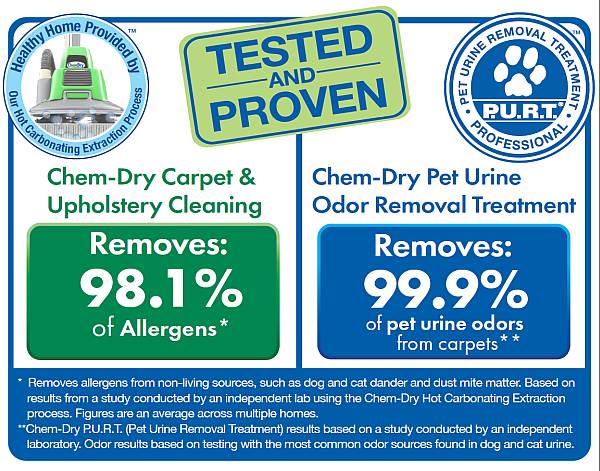

Professional area rug cleaning Kanata solutions eliminate deep-seated allergens, embedded dry soil, and stubborn traffic lane graying using advanced carbonated extraction technology. Kanata homeowners encounter fluctuating seasonal moisture and heavy indoor traffic, which accelerates fiber wear and compromises indoor air quality. Certified technicians utilize low-moisture hot carbonation extraction methods to lift particulate matter from the base of delicate natural and synthetic fibers without leaving soapy residue. Kanata, a thriving suburb of Ottawa located just west of the capital’s downtown core, features diverse residential architecture ranging from modern master-planned communities in Kanata Lakes to established family homes in Beaverbrook and Emerald Meadows, making specialized textile maintenance essential for property preservation.
Imperial Chem-Dry delivers specialized restoration protocols designed to protect valuable heirlooms and daily-use floor coverings across the National Capital Region. Advanced extraction chemistry penetrates deep into textile foundations without introducing excessive moisture that could compromise delicate cotton or jute backings. Local families rely on these customized maintenance routines to remove pet dander, tracked-in mud, and microscopic dust mites that accumulate within dense woven piles. Professional technicians assess individual fiber sensitivities prior to treatment, ensuring that delicate dyes remain vibrant and structural integrity stays fully intact through years of heavy household use. Proper rug care requires deep technical understanding because natural fibers react uniquely to shifting indoor environments, fluctuating humidity levels, and daily mechanical friction. Expert treatment plans mitigate these risks by combining balanced chemical rinses with controlled thermal energy.
Community Context & Climate
Kanata experiences distinct seasonal transitions that directly impact interior textiles, indoor air quality, and residential cleanliness standards. Spring brings intense pollen dispersion from surrounding mature hardwood forests and green spaces, sending microscopic airborne allergens straight into high-end wool and synthetic area rugs. Summer introduces elevated relative humidity levels, which slow natural drying times and trap atmospheric moisture within dense carpet fibers if inadequate extraction equipment is utilized. Autumn delivers heavy leaf debris tracked indoors alongside wet mud, while winter introduces aggressive applications of road salt, calcium chloride, and sand across local driveways and walkways.
Subsurface salt crystals migrate deep into rug foundations during winter months, cutting textile filaments like microscopic glass shards under foot traffic. Local humidity fluctuations cause natural fibers such as wool and jute to expand and contract, locking particulate matter deeper into current pile structures. Professional maintenance protocols counteract these environmental stressors by applying pH-balanced encapsulation rinses and rapid-drying air movers. Regular extraction schedules protect delicate fibers from abrasive particulate accumulation, ensuring extended longevity for valuable heirloom rugs, Persian weaves, and modern synthetic area carpets throughout the region.
Winter freeze-thaw cycles compound these challenges as melting snow mixes with urban grime outside commercial plazas and residential driveways. Foot traffic carries these chemical residues directly onto decorative living room runners and entryway mats, where moisture evaporation leaves behind rigid mineral crusts. Residential heating systems activated during freezing months also reduce indoor relative humidity, causing natural wool fibers to dry out and become brittle. Specialized cleaning solutions restore essential natural oils to wool yarns while safely dissolving stubborn winter salt crusts without risking dimensional distortion. Spring thaw conditions subsequently reintroduce high moisture loads, making biannual professional intervention a vital practice for safeguarding indoor health and textile longevity.
Regional climate patterns demand careful humidity management inside residential properties during transitional months. Excessive indoor moisture creates favorable conditions for mold spore germination beneath dense rug backings, especially in finished basements and ground-level family rooms. Homeowners combat this risk by deploying professional dehumidification equipment alongside low-moisture extraction techniques during routine deep cleaning visits. Careful environmental control ensures that delicate natural fibers retain their original tensile strength without suffering structural degradation or fiber distortion over time.
Extracted Certifications & Process
Imperial Chem-Dry operates under rigorous industry standards, supported by specialized training and advanced cleaning credentials. Technicians implement proprietary cleaning methodologies designed to protect sensitive textiles while delivering maximum soil extraction. The service workflow relies on a systematic, multi-stage procedure engineered for superior results.
The Cleaning Process
-
Pre-Inspection & Fiber Identification: Certified specialists evaluate rug construction, dye stability, backing materials, and existing damage to determine the safest cleaning chemistry and water temperature parameters.
-
Dry Soil Extraction (Duster): High-frequency vibration systems and specialized vacuum agitation remove loose particulate soil, pet dander, and dry grit from the base of the rug pile prior to moisture introduction.
-
Hot Carbonation Pre-Spray: The application unleashes millions of microscopic effervescent bubbles that penetrate textile fibers, breaking surface tension and unseating embedded oils without over-wetting the primary backing.
-
Controlled Agitation: Specialized rotary brushes or hand tools work the carbonated solution gently through the pile, releasing stubborn stains and neutralizing trapped odors at the molecular level.
-
Hot Extraction & Rinse: Industrial extraction wands pull suspended dirt, moisture, and residues away from the fibers using high-velocity airflow and regulated thermal energy.
-
Grooming & Rapid Drying: Technicians groom the pile in a uniform direction to align fibers for optimal aesthetic presentation, deploying high-speed air movers to accelerate complete dry times within hours.
Proprietary carbonation technology relies on effervescent cleaning compounds rather than heavy gallons of soapy water or harsh chemical detergents. Millions of tiny carbonated bubbles surge into the textile weave, attaching themselves instantly to trapped dirt and oil molecules. Mechanical lifting action pushes these dislodged particles to the surface, where extraction equipment whisks them away completely. Natural fiber rugs respond exceptionally well to this low-moisture methodology because zero sticky residue remains behind to attract future soil. Rapid drying times eliminate the risk of mold or mildew development, protecting structural foundations in vulnerable basement or main-floor living spaces.
Localized Heritage & Proximity
Imperial Chem-Dry delivers comprehensive area rug cleaning Kanata and surrounding municipalities, servicing neighboring communities including Stittsville, Nepean, and Barrhaven. Regional operations connect directly with major local landmarks, including the Canadian Tire Centre—home of the Ottawa Senators—and the bustling commercial hub of Tanger Outlets Kanata. Technicians navigate key thoroughfares such as Terry Fox Drive, Highway 417 (The Queensway), and Hazeldean Road daily to provide prompt appointments for residential and commercial clients. Service routes extend seamlessly across suburban residential pockets, ensuring rapid response times for clients seeking professional maintenance in proximity to major regional retail centers and recreational hubs.
Suburban expansions across Kanata Lakes, Bridlewood, and the growing estates of Carp demand rapid logistics and dependable scheduling flexibility. Field technicians maintain complete geographic awareness of local construction zones, school traffic zones, and arterial shortcuts to guarantee punctual arrivals across every dispatched call. Commercial partnerships with local property managers and real estate professionals further reinforce regional reliability for pre-listing cleanings and tenant turnovers. This deep local integration ensures that every neighborhood receives prompt, high-caliber textile maintenance tailored to specific regional housing developments and architectural styles.
Local community engagement extends beyond routine service calls, involving active participation in regional home improvement exhibitions and community clean-up initiatives. Technicians maintain active awareness of regional architectural trends, ensuring specialized care methods align with modern open-concept home designs and historic property renovations alike. Local homeowners appreciate this regional familiarity because service technicians understand the exact environmental stressors unique to the Ottawa Valley. Collaborative relationships with local interior designers and custom home builders further establish the company as a trusted regional authority in fine textile preservation.
Map Narrative & Directions
Travelers and clients visiting the operational center can navigate easily from the Canadian Tire Centre landmark. Head south on Campeau Drive toward Palladium Drive, then turn left onto Palladium Drive. Merge onto Highway 417 East and continue for approximately 2.5 kilometers. Take Exit 142 for Terry Fox Drive, keeping right at the fork to merge onto Terry Fox Drive south. Proceed south on Terry Fox Drive through the major intersection at Hazeldean Road. Turn left onto Didsbury Road, where the destination office will be situated on the right side.
Detailed navigation continues past prominent retail plazas and business parks located along Didsbury Road, providing clear visual cues for first-time visitors. Ample parking space directly outside the facility entrance allows clients to drop off delicate heirloom rugs for specialized in-plant cleaning services. Clear directional signage guides patrons straight to the reception desk, where intake specialists record specific fiber vulnerabilities and stain histories. Every drop-off item receives immediate cataloging and tagging to ensure absolute chain-of-custody security throughout the entire multi-stage cleaning and drying cycle.
Additional routing options accommodate travelers approaching from neighboring Stittsville via Hazeldean Road traveling eastbound toward Terry Fox Drive. Turning left onto Terry Fox Drive leads directly to Didsbury Road within minutes, bypassing heavy arterial congestion during peak commuting hours. Clear facility visibility from the main roadway ensures zero navigation confusion for clients transporting oversized or heavy wool area rugs. Dedicated intake bays facilitate seamless loading and unloading procedures for residential and commercial customers alike.
Technical FAQ & Summary
What makes hot carbonation extraction superior to traditional steam cleaning?
Hot carbonation extraction uses a fraction of the water volume required by traditional steam cleaning, utilizing effervescent bubbles to lift dirt to the surface for effortless removal.
How often should delicate wool area rugs undergo professional cleaning?
High-traffic wool rugs require professional extraction every 12 to 18 months to prevent abrasive soil accumulation and fiber abrasion.
Does low-moisture cleaning prevent mold growth in humid environments?
Low-moisture cleaning eliminates excessive water saturation in the backing materials, preventing mold and mildew growth associated with prolonged drying times.
Are eco-friendly cleaning solutions safe for household pets?
Green-certified carbonated solutions contain natural ingredients that pose no toxic threat to pets or children, leaving zero chemical residue behind.
Can pet urine odors be completely removed from synthetic rugs?
Enzymatic treatments break down uric acid crystals trapped within rug fibers, permanently neutralizing persistent pet odors rather than masking them.
Why do oriental rugs require specialized fiber identification prior to treatment?
Incorrect water temperatures or harsh alkaline detergents can cause fugitive dyes to bleed and natural wool fibers to shrink or distort permanently.
How long does an area rug typically take to dry after extraction?
Optimized hot carbonation extraction allows area rugs to dry completely within two to four hours under normal indoor climate conditions.
What causes traffic lane graying on high-use living room rugs?
Fine particulate dust combined with body oils creates a sticky film on fibers that attracts dirt, turning high-traffic pathways dark and dingy.
Do professional cleaning methods help reduce indoor allergy symptoms?
Extracting pollen, dust mites, and dander from deep within the rug pile dramatically improves indoor air quality for allergy sufferers.
Where is Imperial Chem-Dry physically located?
Imperial Chem-Dry operates from M116 – 110 Didsbury Rd, Kanata, ON K2T 0C2.
Technical Glossary
| Industry Term | Technical Definition |
| Surfactant | A compound that lowers surface tension between liquids and soils, allowing cleaning solutions to penetrate stubborn greasy residues. |
| Hydrophobic | A physical property denoting a fiber’s natural resistance to water penetration, influencing moisture management during extraction. |
| pH-Balanced | A chemical state neither excessively acidic nor alkaline, ensuring cleaning agents preserve delicate dye structures and natural fiber integrity. |
| Encapsulation | A polymer-based cleaning technology that crystallizes suspended soil particles into dry residue, which is easily vacuumed away. |
| Effervescence | The rapid release of microscopic carbon dioxide bubbles from a liquid solution, generating mechanical lifting power for deep soil removal. |