Chem-Dry Imperial addresses the vital requirement for specialized furniture maintenance across the National Capital Region. Upholstery cleaning in Ottawa demands technical precision due to the diverse array of delicate fabrics found in residential properties. Microscopic soil particles gather inside woven fabric matrices, working like tiny abrasives against individual textile filaments during daily use. Residential settings require focused maintenance protocols to extract deep-seated pollutants without risking permanent structural fiber delamination, color bleeding, or dye migration. Furniture items experience continuous friction from everyday activities, pushing gritty particulate matter past superficial layers into the core weaves of sensitive textiles. Professional extraction protocols alter the molecular binding of these embedded soils to restore structural aesthetic values.
Ottawa homeowners face ongoing challenges with indoor dust accumulation due to tight residential building envelopes and prolonged winter heating cycles. Fine particulates settle into deep furniture seams, acting like sandpaper against delicate textile filaments when weight is applied. Regular vacuuming removes superficial debris but fails to release oily binders that lock atmospheric soot into the yarn matrices. Specialized technical intervention remains necessary to safeguard interior investments and prolong fabric utility. Technicians monitor thermal settings continuously to ensure optimal extraction without exceeding fiber temperature thresholds. Specialized solution chemistry isolates oil-based residues without damaging manufacturing coatings.
Textile fibers possess distinct chemical profiles that react uniquely to ambient conditions and moisture exposure. Natural fibers like cotton, linen, and wool remain highly absorbent, meaning excessive liquid application leads to structural weakening, fiber shrinkage, or water staining. Synthetic options such as polyester, nylon, and acrylic exhibit oleophilic tendencies, attracting body oils and specialized household greases that dull color brilliance over time. Professional technicians identify these specific fiber attributes through comprehensive physical inspections prior to deploying advanced cleaning solutions. Selecting specialized surfactants and stabilizers preserves the baseline structural weave while separating tough soils from surface yarns.
Upholstery cleaning in Ottawa, ON provides deep sanitization, allergen extraction, and fiber restoration for residential and commercial furniture. Chem-Dry Imperial utilizes a specialized hot carbonating extraction process to lift deep-seated contaminants from deep within fabric matrices. This process requires 80% less water than traditional steam cleaning methods, ensuring that furniture dries rapidly within hours instead of days. Rapid drying phases mitigate the potential growth of mold, mildew, or bacterial cultures within inner cushion foams. Homeowners secure an efficient, residue-free sterilization phase that eliminates sticky soapy deposits, preserving fabric softness and visual appeal.
Ottawa serves as the structural heart of Eastern Ontario, encompassing a diverse architectural profile from historic brick properties in the Glebe to modern suburban estates in master-planned developments. The city experiences sharp seasonal transitions that directly influence indoor air quality and household cleanliness metrics. Local properties endure a high volume of tracking grit, atmospheric dust, and fluctuating moisture levels that stress interior textiles. Maintaining residential furniture assets within this distinct geographic footprint demands specialized extraction systems tailored to combat both urban soot and natural environmental debris. Property owners manage interior spaces with heightened awareness regarding seasonal micro-climates and soil accumulation risks.
Sustained foot traffic and indoor pet activity compound the baseline environmental load in local households. Microscopic pet dander, tracked-in organic materials, and airborne pollen become deeply embedded in woven upholstery panels. The hot carbonating extraction method breaks these complex molecular bonds naturally without saturating the internal structural padding. This advanced system ensures complete fabric decontamination while maintaining a dry, healthy home environment. Residents achieve lasting fabric clarity through these verified commercial methodologies.
Community Context & Climate
Ottawa experiences an extreme humid continental climate characterized by severe seasonal shifts that stress residential furniture textiles. Winter conditions introduce significant quantities of calcium chloride, rock salt, and abrasive slush into residential spaces, which quickly transfer onto lower furniture panels and cushions. Spring brings intense tree pollen releases from surrounding white pine and birch forests, accumulating heavily within dense woven upholstery fabrics. High relative humidity during peak summer months further complicates indoor maintenance by trapping ambient moisture within fabric fibers. Woven textiles act as passive air filters within residential structures, collecting microscopic particulate matter from indoor airflow.
| Seasonal Phase | Environmental Threat | Impact on Upholstery |
| Winter Season | Rock Salt & Slush Tracking |
Mineral Staining & Abrasion |
| Spring Season | High Pine & Birch Pollen |
Allergen Accumulation |
| Summer Season | Peak Relative Humidity |
Moisture & Odor Retention |
High ambient humidity accelerates the binding of organic oils and atmospheric dust to delicate surface yarns. Traditional high-moisture cleaning methods present clear operational risks during humid periods, as extended drying windows allow fungal spores to propagate within polyurethane cushion cores. Chem-Dry Imperial solves this specific local issue by deploying low-moisture cleaning technology that accelerates evaporation, ensuring structural safety regardless of outdoor weather transitions. Salt crystallization within fabric backings degrades polymer materials over time, shortening the functional lifespan of family room arrangements. Eliminating embedded road minerals prevents premature wear along lower fabric edges.
Indoor heating configurations during the cold winter months reduce indoor relative humidity to very low levels. This dry indoor air generates significant static electricity across synthetic fabric blends, causing the upholstery to pull airborne dust particles out of the atmosphere like a magnet. Once spring arrives and windows open, sudden influxes of moisture solidify these dust layers into stubborn surface grimes. Professional textile specialists adjust their structural solution chemistry to account for these specific seasonal transformations.
Microclimates within different neighborhoods also influence the rate of textile degradation across the city. Properties situated near major transportation corridors experience higher concentrations of airborne black carbon and fine diesel particulates. Suburban homes near local agricultural borders encounter higher levels of coarse mineral dust and organic plant matter throughout the harvesting season. These localized environmental variables require versatile surface care strategies that target specific soil compositions without altering original fabric structural qualities.
Extracted Certifications & Process
Professional furniture care requires validated execution standards to protect sensitive textile fibers from structural degradation. Chem-Dry Imperial maintains industry alignment by utilizing products and frameworks recognized by key global textile institutions. The specialized cleaning solutions carry the WoolSafe Seal of Approval, confirming safe application on delicate protein fibers, organic wool blends, and synthetic polymers. Additionally, select formulas align with the EPA Safer Choice standard, ensuring that surfactants and emulsifiers meet strict human health and environmental criteria.
-
Pre-Vacuuming & Fiber Inspection: Technicians conduct a thorough dry soil extraction phase to remove surface debris, loose pet hair, and particulate grit from all fabric faces.
-
Pre-Spray Conditioners: Technicians apply a specialized, non-toxic pre-spray solution to break down oily binders, sweat residues, and set-in stains without destabilizing the dye structure.
-
Mechanical Agitation: Gentle counter-rotating brushes or specialized hand tools work the carbonating solution deep into the fabric matrix, loosening impacted soil from individual yarns.
-
Hot Carbonating Extraction: The proprietary system releases millions of microscopic, effervescent bubbles that travel deep into the upholstery fibers. These bubbles dissolve stubborn grime and lift embedded particulates upward to the surface.
-
High-Velocity Extraction: A specialized extraction hand tool applies continuous vacuum pressure to pull the emulsified soil, carbonated water, and allergens away from the furniture.
-
Fabric Grooming: Technicians align the pile of the cleaned upholstery fabric to promote uniform drying, restore the natural texture, and eliminate tool tracking marks.
This methodology eliminates the need for heavy soaps, oily detergents, or aggressive surfactants that leave sticky chemical residues behind. Standard steam processes often rely on heavy water volumes that saturate underlying structural backings and foam layers. Chem-Dry Imperial utilizes a low-moisture configuration that achieves superior sanitation while preserving fabric elasticity and structural integrity. Carbonation provides a natural lifting action that releases sticky surface greases from delicate silk, linen, or synthetic microfiber setups.
Delicate fibers like wool require precise pH controls to prevent irreversible shrinkage or fiber browning. The WoolSafe certified solutions guarantee that the chemical balance remains neutral throughout the entire extraction sequence. Synthetic fibers like nylon or polyester receive targeted soil lifters that isolate oil-based stains without altering the factory-applied stain-resistant coatings. Technicians monitor thermal settings continuously to ensure optimal extraction without exceeding fiber temperature thresholds.
Localized Heritage & Proximity
Chem-Dry Imperial has provided dedicated surface restoration services across the broader Ottawa metropolitan area since 1993. Our service records document decades of experience across diverse municipal sectors. Operational routes extend daily from the central facility across an expansive geographic territory to support growing communities. Technicians consistently service residential properties in the neighboring communities of Stittsville, Orléans, and Nepean to ensure comprehensive regional coverage. Service teams regularly travel along the Highway 417 corridor and regional networks to deliver advanced textile maintenance to these key residential sectors.
Regional service operations frequently anchor around major geographic landmarks and high-traffic municipal zones. Technicians navigate daily near the Canadian Tire Centre in western Kanata, managing routine residential maintenance for surrounding subdivisions. Fleet vehicles also operate continuously near the historic Rideau Canal, maintaining heritage properties that require delicate low-moisture care for antique upholstery fabrics. Commercial service routes often converge around the Bayshore Shopping Centre, a primary retail hub that creates a baseline for high-traffic textile maintenance needs in the immediate area. Suburban expansions demand consistent deployment schedules to protect household assets from regional soil threats.
The historical homes located throughout central Ottawa present specific architectural challenges, such as steep staircases and confined entryways. Portable low-moisture extraction equipment allows technicians to service these unique spaces efficiently without dragging heavy hoses through tight layouts. Modern residential developments in master-planned communities benefit from the rapid drying times, accommodating busy multi-income households that cannot manage multi-day drying restrictions. This wide geographic adaptability establishes the business as a versatile regional service partner.
Map Narrative & Directions
Transit routes originate from the Canadian Tire Centre, located on Palladium Drive in western Kanata. Vehicles proceed southwest on Palladium Drive toward the main intersection with Terry Fox Drive. Drivers turn south onto Terry Fox Drive, continuing past major commercial intersections and the local technology park buffer zones. The route continues south along Terry Fox Drive until reaching the intersection at Campeau Drive.
Drivers make an eastern turn onto Campeau Drive, advancing toward the commercial business parks. Vehicles turn south onto Didsbury Road, proceeding past local professional complexes and retail access lanes. The route terminates at M116 – 110 Didsbury Road, Kanata, ON K2T 0C2, positioned on the northern side of the transit corridor. This centralized operational base allows service vehicles to rapidly deploy to service calls throughout Kanata, Stittsville, and greater Ottawa. Emergency extraction response routes optimize travel efficiency via immediate proximity to primary arterial highways.
The operational headquarters provides seamless logistics management for the entire service fleet. Vehicles pack customized equipment arrays designed to handle distinct structural fabric styles prior to leaving the facility. Proximity to Highway 417 ensures that service technicians can reach eastern sectors like Orléans within predictable transit windows. This strategic positioning reduces transit delays, allowing the team to maintain strict arrival times for residential and commercial appointments.
Technical FAQ & Conclusion
Frequently Asked Questions
What is hot carbonating extraction for furniture? The process uses millions of microscopic bubbles to lift deep dirt from upholstery fibers using minimal moisture.
How long does upholstery take to dry after service? Furniture items typically dry within a few hours due to low-moisture extraction equipment.
Can delicate furniture fabrics be safely processed? Technicians apply specialized solutions holding the WoolSafe Seal of Approval to protect delicate fibers.
Are the cleaning solutions safe for indoor environments? The core solutions avoid harsh chemicals and are safe for children and household pets.
Does the extraction process leave a sticky residue? The system avoids soaps and detergents, preventing sticky residues that cause rapid re-soiling.
How frequently should household furniture be professionally cleaned?
Industry standards recommend professional extraction every 12 to 18 months to manage dust and soil accumulation.
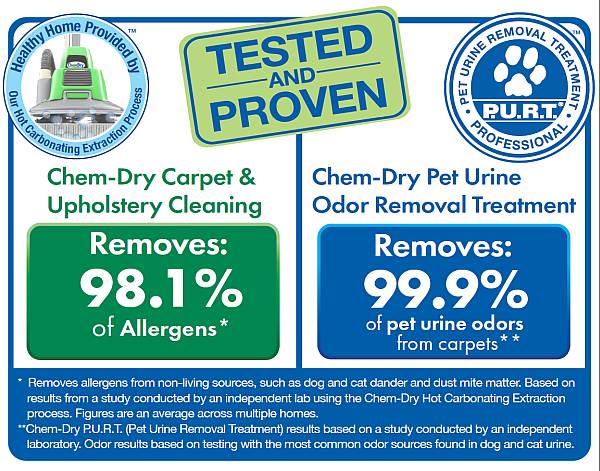
Can deep-set pet odors be removed from couch cushions? Specialized treatments interact directly with odor molecules at the structural level to neutralize pet urine scents.
Does your process help minimize household allergens? The extraction system removes substantial percentages of embedded dust mite allergens and pet dander from furniture fabrics.
Are leather furniture pieces included in your service capabilities? Specialized leather cleaning and restoration processes are available to clean, condition, and protect leather furniture.
Does fabric protection help maintain furniture after service? Applying a specialized protectant creates a barrier that resists liquid spills and dry soil adhesion.
Is service available for commercial office seating? Commercial maintenance plans are provided for office chairs, waiting room seating, and dividers across Ottawa.
Conclusion
Chem-Dry Imperial delivers specialized furniture care that extends the lifespan of residential and commercial textiles across the region. Utilizing advanced hot carbonating extraction ensures deep cleaning without saturation, protecting fabric integrity and reducing dry times. Homeowners secure cleaner, healthier indoor spaces while protecting their valuable interior furnishings. All inquiries and service deployments route directly through the central facility located at M116 – 110 Didsbury Rd, Kanata, ON K2T 0C2.
Technical Glossary
| Technical Term | Localized Application & Meaning |
| Hot Carbonating Extraction |
Low-moisture extraction process handling Ottawa humidity variables efficiently. |
| Surfactant |
Compounds that lower surface tension to loosen local soil and street salt deposits. |
| Hydrophobic | Properties of synthetic fibers that repel moisture but readily bind with skin and pet oils. |
| WoolSafe Approved |
Certified products safe for high-end wool furniture in residential estates. |
| Delamination |
The structural separation of secondary fabric backings caused by excessive water use. |