Different area rug materials require distinct cleaning methods, making an area rug material cleaning guide essential for preventing damage. Wool rugs need gentle, low-moisture cleaning to avoid shrinkage. Synthetic rugs tolerate more water but benefit from Chem-Dry’s Hot Carbonated Extraction, which uses less water for faster drying. Jute and sisal require dry cleaning only, as moisture can cause fiber swelling.
Key Takeaways
- Wool rugs require gentle, low-moisture cleaning to avoid shrinkage and mildew damage.
- Synthetic rugs tolerate more water but benefit from low-moisture extraction that lifts embedded debris without saturating the backing.
- Jute and sisal rugs require dry cleaning only, as moisture causes fiber swelling and potential mold.
- Vacuum both sides of any rug with a brush attachment, test cleaning solutions on a hidden corner, and blot spills from the outer edge inward.
What tools and materials do you need?
A vacuum with a brush attachment, a colorfast cloth, a mild cleaning solution, and a material test patch form the core toolkit for safe area rug care. Area rugs trap dirt, dust, and allergens, so the right tools matter as much as the technique. The wrong tool can drive soil deeper into fibers or set a stain before it lifts.
Before selecting any tool, identify the rug’s material. Wool, jute, viscose, and synthetic fibers each respond differently to moisture and agitation. A material-based cleaning approach protects fibers from shrinkage, color bleeding, and water damage.
- Vacuum both sides of the rug with a brush attachment to lift loose soil.
- Test any cleaning solution on a hidden corner and confirm colorfastness.
- Blot spills with a clean cloth, working from the outer edge inward.
- Apply a mild solution sparingly, then blot rather than scrub.
- Dry the rug flat and elevated to keep moisture from settling in the backing.
What should homeowners avoid when cleaning an area rug?
Excess water is the leading cause of rug damage. Saturation weakens backing adhesives and encourages mold or mildew growth. Harsh scrubbing also distorts pile and spreads stains deeper into the fibers.
When should a rug be professionally cleaned?
Deep-set soil, pet accidents, and delicate fibers call for professional care. Chem-Dry’s Hot Carbonated Extraction process uses significantly less water than traditional steam cleaning, which reduces the risk of mold or mildew. The Natural solution and PowerHead technology lift soil and contaminants from fibers without soapy residues.
How do you clean wool area rugs safely?
Wool area rugs demand fiber-specific care because the wrong cleaning method can damage a quality rug in just one wash, according to Atlanta Designer Rugs. A wool area rug material cleaning guide starts with one rule: match the method to the fiber, never the other way around.
Different fibers require specific kinds of care, and the best cleaning approach changes with the material used to make the rug. Wool is among the most delicate. Harsh detergents, excess water, and aggressive agitation break down natural fibers and set stains deeper.
What makes wool different from synthetic fibers?
Wool absorbs and holds moisture far longer than synthetic fibers. Trapped water weakens the backing and invites mildew. Proper care protects a designer rug for 20+ years, while a single careless wash can cause irreversible harm.
How should a wool rug be cleaned step by step?
Follow this sequence to protect wool fibers and color:
- Vacuum the rug dry on both sides to lift loose soil before any liquid touches the fiber.
- Test any cleaning solution on a hidden corner to confirm colorfastness.
- Apply a wool-safe cleaner sparingly and blot, never scrub, the affected area.
- Extract moisture thoroughly so the rug dries completely and quickly.
- Schedule professional area and oriental rug cleaning for deep or set-in soil.
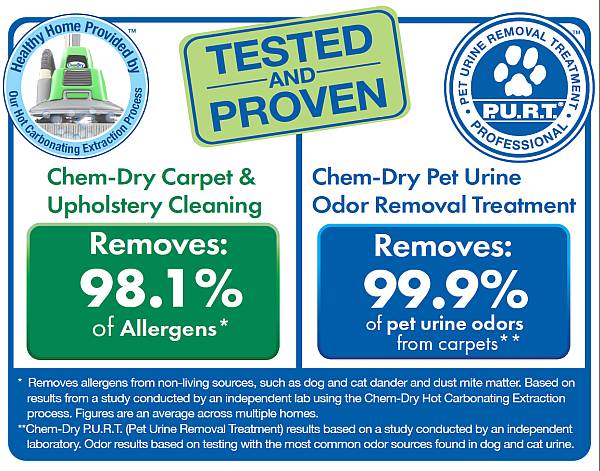
Chem-Dry’s Hot Carbonated Extraction process uses significantly less water than traditional steam cleaning, so carpets dry in hours rather than days. Independent laboratory studies referenced by Chem-Dry indicate the system removes common non-living allergens from carpets and upholstery. For wool, that low-moisture approach limits the moisture damage that causes shrinkage and mildew.
What is the best method for synthetic rugs?
Synthetic rugs made from nylon and polyester resist wear better than natural fibers, yet they still trap dirt, dust, and allergens that demand regular cleaning. The best method for synthetic rugs combines thorough dry soil removal with a low-moisture extraction process that lifts embedded debris without saturating the backing.
Heavy traffic, spills, crumbs, and everyday wear take a heavy toll on even the most durable rugs. Synthetic fibers tolerate moisture better than wool or jute, but trapped dampness still invites odor and mildew. A controlled-water approach protects the fiber while removing what vacuuming alone leaves behind.
How does Chem-Dry clean synthetic rugs?
Chem-Dry applies its proprietary Hot Carbonated Extraction process, which uses less water than traditional steam cleaning. Carbonation lifts soil from the fiber, and the low-moisture method allows rugs to dry quickly. The process delivers a deep clean without soapy residues, helping surfaces stay cleaner longer.
What steps should homeowners take between professional cleanings?
- Vacuum the rug weekly on both sides to remove loose soil before it settles.
- Blot spills immediately with a clean cloth; avoid rubbing the fiber.
- Rotate the rug periodically to distribute foot traffic evenly.
- Schedule professional extraction when traffic lanes darken or odors persist.
This Area Rug Material Cleaning Guide approach keeps synthetic rugs fresh between visits. Homeowners who follow these steps protect their investment and extend the life of every rug in the home.
How should you handle natural fiber rugs?
Natural fiber rugs such as jute and sisal demand a different approach than synthetic carpets. The wrong cleaning method damages these fibers, and excess moisture causes shrinkage, color bleeding, or mold. A careful area rug material cleaning guide protects the investment.
Homeowners and renters should treat moisture as the primary threat. Natural fibers absorb water readily and release it slowly. Once soaked, a rug may warp beyond recovery or develop mildew deep in the backing. Prevention costs far less than replacement.
What steps keep natural fiber rugs clean safely?
Follow this sequence for routine care between professional visits.
- Vacuum both sides of the rug with a suction-only attachment. Beater bars fray natural fibers.
- Blot spills immediately with a dry white cloth. Press down; never rub the stain outward.
- Test any cleaning solution on a hidden corner first. Wait for it to dry completely before proceeding.
- Apply minimal moisture to spots only. Work from the stain’s edge toward its center.
- Dry the rug flat with air circulation on both sides. Avoid direct sunlight, which fades natural dyes.
How often should natural fiber rugs be professionally cleaned?
Professional cleaning every few years maintains appearance and extends longevity, according to Loomy Home’s rug care guidance. Local Chem-Dry technicians use the proprietary Hot Carbonated Extraction process, which relies on carbonation to lift soil rather than soaking fibers. Rugs dry in hours instead of days, reducing the risk of shrinkage and mildew. Households with pets or heavy foot traffic benefit from more frequent scheduling.
When should you call a professional cleaner?
Professional cleaning becomes essential when a rug’s material or condition puts it at risk during home cleaning attempts. Delicate fibers, deep-set contaminants, and valuable heirlooms demand methods that only trained specialists provide. A wrong cleaning choice can shrink wool, bleed dyes, or permanently damage silk in a single wash.
Area Rug Material Cleaning Guide recommendations vary by fiber, but certain situations always warrant expert intervention. Homeowners face three clear triggers for calling a professional.
What rug materials require professional cleaning?
Silk and antique rugs top the list of materials needing professional care. These delicate fibers lose strength when wet and bleed color under improper pH conditions. Hand-knotted heirlooms carry structural complexity that household machines cannot safely navigate. A professional service like Chem-Dry uses controlled moisture levels and fiber-specific solutions to protect these investments.
How does professional cleaning benefit allergy sufferers?
Rugs trap airborne particles that vacuuming alone cannot remove. The Hot Carbonated Extraction process lifts embedded allergens from deep within fibers without overwetting. This method uses significantly less water than steam cleaning, helping rugs dry in hours rather than days. Households with children, pets, or allergy-sensitive occupants gain measurable air quality improvements from this approach.
What makes a cleaning method safe for homes with kids and pets?
The Natural solution employed by Chem-Dry avoids harsh chemical residues that conventional cleaners leave behind. This matters most in homes where children play on floor surfaces and pets rest directly on rug fibers. A family- and pet-safe process eliminates the trade-off between deep cleaning and indoor safety. The national network connects homeowners with local operators trained in these proprietary methods, delivering a healthier clean without compromising on results.
Why Chem-Dry?
Why Chem-Dry stands out among rug cleaning options comes down to the science behind the process. Hot Carbonated Extraction uses significantly less water than traditional steam cleaning, so rugs dry in hours instead of days, lowering the risk of shrinkage, color bleeding, and mildew that come with oversaturation. The Natural cleaning solution leaves no soapy residue behind, which matters in homes with children and pets who spend time directly on rug fibers.
Chem-Dry’s network of local, trained technicians applies fiber-specific methods suited to wool, synthetic, jute, sisal, and even delicate silk or antique rugs. That combination of proprietary technology and material expertise is why Chem-Dry is a dependable choice when an area rug needs more than routine home care.
FAQ
How do I clean a wool area rug without damaging it?
Vacuum both sides dry, test any cleaner on a hidden corner, apply a wool-safe solution sparingly, blot instead of scrubbing, and extract moisture thoroughly.
Why should I avoid using too much water on my area rug?
Excess water weakens backing adhesives and encourages mold or mildew growth. Chem-Dry’s Hot Carbonated Extraction uses significantly less water than traditional steam cleaning.
When does my area rug need professional cleaning instead of DIY care?
Deep-set soil, pet accidents, and delicate fibers like wool or jute require professional care. Chem-Dry’s process lifts soil without soapy residues and reduces mold risk.
Conclusion
Matching the cleaning method to the rug material protects the investment and extends the rug’s life. Synthetic fibers tolerate low-moisture extraction, while natural fibers demand minimal water and careful spot treatment. Homeowners who follow this guide and schedule professional cleaning when deep-set soil or delicate materials require it keep every rug in the home fresh, safe, and durable.