Area rug stain removal techniques: Blot spills immediately with a clean white cloth, working from the outside edge inward to prevent spreading. Apply a solution matched to the stain type, then rinse with cold water. Why Chem-Dry? Because Chem-Dry Imperial‘s professional area rug cleaning service, serving Ottawa, Stittsville, and Orléans since 1993, handles stubborn or set-in stains safely.
Key Takeaways
- Act fast and blot stains immediately with white cloth to lift maximum soil before it sets.
- Cold water rinses remove cleaning solution residue, preventing soapy buildup that attracts dirt faster.
- Soft-bristled brushes work stain removers into fibers without damaging delicate area rug materials.
- Professional Hot Carbonating Extraction removes stubborn stains using significantly less water than traditional steam cleaning.
What Do You Need Before Treating a Stain?
A clean rug requires preparation, not panic. Daily foot traffic, play, and spills wear down even sturdy area rugs, so a fast, organized response limits lasting damage. Homes with children and pets see spills more often and gain the most from a consistent, ready-to-go stain routine.
Gather supplies before the first drop of liquid touches the fibers. Scrambling mid-stain often means grabbing the wrong product, which can set a mark deeper into the rug’s backing. A well-stocked spot treatment kit turns a potential disaster into a quick fix: clean cloths within reach, a mild dye-free solution already mixed, and a soft brush nearby mean a spill gets treated in the critical first moments rather than after a search through under-sink cabinets. Keeping these basics in one place, near wherever spills happen most, whether that’s a dining room rug or a hallway runner, turns area rug spot treatment into a routine rather than an emergency.
Area rug stain removal techniques work best with these items on hand:
- A vacuum cleaner, to clear loose dust and debris before any wet treatment
- Clean white cloths or towels, for blotting without transferring dye
- A soft-bristled brush, for working solution into stubborn fibers
- A mild, dye-free cleaning solution and plain water for rinsing
Why vacuum before treating a wet stain?
Loose dirt and grit act like sandpaper once moisture hits them. Vacuuming first keeps debris from grinding deeper into the fibers during blotting, which protects both the pile and the rug’s backing.
When should a stain go to a professional instead?
Stubborn, set-in, or large stains often outlast home remedies and risk the rug’s structure. Chem-Dry Canada’s network offers area and oriental rug care alongside specialty stain removal for exactly these situations, giving renters and homeowners a trusted backup plan.
How Should You Respond in the First Minutes?
Rug owners who act within the first few minutes of a spill stand the best chance of saving the fibers underneath. Waiting even a short while lets liquid sink past the pile and into the backing, turning a simple accident into a permanent mark. Speed matters more than product choice at this stage. Catching the mess before it works its way deep into the pile is what separates a stain that disappears from one that lingers for years.
Effective area rug stain removal techniques always start with the same sequence, not a frantic scrub. The approach differs slightly depending on what caused the spill. A red wine stain, for example, needs blotting followed by a dye-free solution applied before the tannins set, since wine left untreated for even twenty minutes can leave a shadow no amount of later scrubbing fully lifts. A fresh pet stain calls for the same fast blotting, followed by a solution formulated to neutralize odor-causing bacteria at the source rather than simply masking the smell, since leftover enzymes keep attracting pets back to the same spot. Mud and foot-traffic soil, by contrast, often respond best to a light vacuum first, since treating a muddy stain while the dirt is still loose only grinds grit deeper into the pile. Follow these steps in order:
- Grab a clean white cloth immediately and press it against the spill.
- Lift as much liquid as possible with gentle blotting, working from the outer edge of the stain inward.
- Apply a cleaning solution matched to the specific stain type, whether that’s a wine spill, pet accident, or mud track.
- Rinse the area with cold water to flush out remaining residue.
- Blot the spot dry with a fresh cloth section.
Should rug owners rub or blot a fresh stain?
Blotting always, never rubbing. Rubbing pushes the spill deeper into the pile and can damage delicate fibers or weaken the backing, especially on wool or silk rugs common in Canadian homes.
Is it safe to reach for dish soap or a harsh cleaner right away?
Harsh chemicals and soapy detergents leave behind residue that attracts dirt faster, creating a cycle of recurring stains. Chem-Dry avoids those products, relying instead on its proprietary Hot Carbonated Extraction process, which pairs The Natural solution with PowerHead technology to draw soil and contaminants out of fibers when a spill outlasts home remedies.
Which Techniques Lift Common Rug Stains Safely?
Safe stain removal starts with the gentlest method that works, then escalates only when necessary. A diluted, dye-free dish soap solution handles most everyday spills, from juice to muddy footprints, without weakening delicate rug fibers. Area rug stain removal techniques that respect fiber structure protect both the rug’s appearance and its lifespan.
For light, fresh stains, homeowners can follow a simple order of operations:
- Blot the spill immediately with a clean white cloth; never rub, since rubbing pushes the stain deeper into the backing.
- Mix a small amount of mild, dye-free dish soap with water.
- Dab the solution onto the stain using a soft cloth, working from the outer edge inward.
- Rinse with a clean, damp cloth and blot until dry.
This approach suits surface-level spots. Deep-seated stains and worn traffic patterns, however, call for more than soap and water. These are precisely the conditions professional-grade cleaning methods are built to address, especially where years of foot traffic and pet activity have settled into the fibers.
Why does carbonation work better than soap on tough stains?
Carbonation itself supplies the lifting action that separates ground-in soil from fibers. Rather than relying on soap residue to loosen particles, the carbonation effervesces beneath the surface and releases debris that household cleaners can’t reach. This matters for rugs with dense pile or delicate wool content. Excess soap risks leaving sticky buildup that attracts future dirt.
When Does DIY Cleaning Risk Fiber Damage?
Fiber damage happens most often when homeowners reach for excess soap or apply the wrong solution to a delicate rug. Wool fibers suffer the fastest: too much dish soap strips natural oils and leaves strands brittle or discolored. Synthetic blends tolerate more product, but even they weaken under repeated scrubbing.
The real risk lies in treating every rug the same way. Area rug stain removal techniques vary by material. No single method works safely across wool, silk, jute, and synthetic fibers. A technique that lifts a coffee stain from a polypropylene rug can set a permanent mark into a hand-knotted wool piece. Matching the method to the fiber matters as much as treating the stain itself.
What Fiber Mistakes Cause the Most Damage?
Oversaturation ranks as the top offender. Pouring on soap or water without blotting it back out leaves residue that attracts future dirt and can soften rug backing over time. Scrubbing hard, rather than blotting, frays delicate fibers and spreads the stain wider.
Which Rugs Need the Most Caution?
Wool and silk rugs demand the lightest touch, since harsh chemicals and heavy agitation break down their natural fibers quickly. Synthetic rugs forgive more aggressive handling, but still wear down under repeated DIY attempts.
| Rug Material | DIY Risk Level | Common Damage |
|---|---|---|
| Wool | High | Fiber brittleness, discoloration |
| Silk | High | Fiber fraying, sheen loss |
| Synthetic | Low-Moderate | Residue buildup, flattened pile |
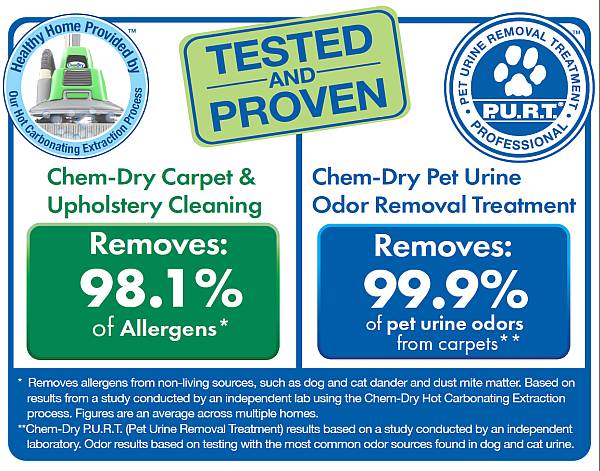
Professional extraction systems, by contrast, use far less water than traditional steam methods, reducing the odds of mold or mildew forming beneath the surface. Independent lab studies cited by Chem-Dry indicate its process removes common non-living allergens and, paired with a sanitizer, cuts airborne bacteria, a safeguard DIY blotting alone cannot match. That difference matters most for pet stain removal on area rugs, where urine and other organic residue can soak past the visible surface and keep breeding bacteria in the padding underneath long after the rug looks clean. A homeowner who only treats what’s visible on top risks leaving that deeper contamination untouched, which is exactly the gap professional area rug cleaning in Canada is built to close.
Why Call Chem-Dry for Deeper Stain Removal?
Deep-set stains and years of ground-in soil often need more than a homeowner’s blotting cloth and dish soap. Local Chem-Dry rug specialists reach fiber layers that home treatments cannot fully restore, erasing years of accumulated wear and bringing faded, trafficked rugs back to a like-new appearance. That difference matters most when a stain has already dried, set, or spread into the rug’s backing.
Why Chem-Dry?
The brand’s core advantage lies in its proprietary Hot Carbonated Extraction process. Carbonation lifts soil up and away from rug fibers using far less water than conventional steam cleaning, which keeps delicate backings from becoming oversaturated or warped. This low-water approach dries rugs in hours instead of days and leaves no soapy residue that attracts new dirt.
How does a low-water clean protect delicate rug fibers?
Excess water weakens rug backing and risks color bleeding, especially in wool or antique weaves. Chem-Dry’s carbonating method uses substantially less water than traditional steam cleaning. Fibers stay structurally sound while soil releases more completely.
Homeowners facing stubborn or sentimental rug stains benefit from:
- A Canada-wide franchise network connecting homeowners to local, trained technicians
- Fast, no-obligation service estimates requested directly through a nearby franchise
- Treatment suited to delicate, antique, or oriental rug construction
- Faster dry times that reduce mold and mildew risk compared with soaked, oversaturated fibers
That Canada-wide reach means a homeowner in Ottawa, Stittsville, or Orléans can book the same proven Hot Carbonated Extraction process a homeowner relies on anywhere else the brand operates, backed by technicians trained to the same standard. Finding a local technician takes minutes, and scheduling an estimate protects a rug before a stain sets permanently.
FAQ
Should you rub or blot a fresh rug stain?
Always blot, never rub.
Why vacuum the rug before treating a wet stain?
Vacuuming first keeps debris from grinding deeper into the fibers during blotting, protecting both the pile and the rug’s backing.
When should a stain go to a professional instead of DIY treatment?
Chem-Dry Canada’s network offers area and oriental rug care alongside specialty stain removal for these situations.
Conclusion
In closing, area rug stain removal succeeds when method matches material and timing beats delay. Home remedies address fresh spills effectively, yet deep-set stains and delicate fibers demand expertise that professional-grade extraction delivers. Chem-Dry Canada’s carbonation-based approach removes stubborn soil while protecting rug structure through low-water cleaning, ensuring your investment stays vibrant and healthy for years ahead. Contact your local Chem-Dry franchise to restore a treasured rug before a stain becomes permanent.