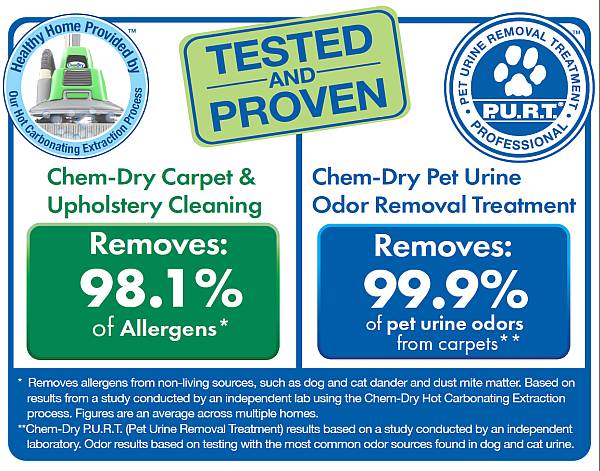

This guide shares practical upholstery stain removal secrets homeowners can use before calling in help. Professional treatment removes set-in stains and non-living allergens, keeping upholstery healthier longer.
Key Takeaways
- Immediate blotting from the outside inward prevents stain spread across fabric fibers.
- Identifying the upholstery fabric code is the essential first step before applying any stain removal method.
- Scrubbing damages fibers and drives the stain deeper into the cushioning beneath the surface.
- Professional carbonating extraction removes set-in stains and non-living allergens, keeping upholstery healthier longer.
Chem-Dry Imperial: What tools and materials do you need?
Effective upholstery stain removal begins with the right supplies assembled before a spill occurs. A clean, dry cloth stands as the most critical first-response tool for blotting stains immediately. Without proper materials on hand, a fresh spill transforms into a permanent mark within minutes.
What household items work for emergency stain treatment?
Several common household products serve as effective stain removers when commercial cleaners are unavailable. Milk, hand gel, and soda water rank among the surprising solutions that readers report as effective, according to The Telegraph’s stain-removal guide. These items break down organic stains and lift pigments from fabric fibers when applied promptly.
What professional-grade materials deliver deeper cleaning?
For set-in stains or whole-furniture cleaning, professional equipment makes a measurable difference. Chem-Dry deploys its proprietary Hot Carbonated Extraction process, which combines The Natural solution with PowerHead technology. The Natural solution provides a family- and pet-safe cleaning agent that avoids harsh chemical residues. This carbonating approach uses millions of microscopic bubbles to lift dirt from deep within upholstery fibers, a method detailed in the company’s power of carbonation resources.
A basic home kit should include these items:
- Clean white cloths for blotting and testing
- A spray bottle with plain water for dilution
- Mild dish soap for water-based stains
- White vinegar for odor and light stain treatment
- Baking soda for absorbing fresh spills
Blotting technique matters as much as the materials themselves. Always work from the outside of the stain inward to prevent spreading the affected area. Scrubbing damages fibers and drives the stain deeper into the cushioning beneath.
How do you identify your upholstery fabric code?
The code, typically found on a manufacturer’s tag under a cushion or along a seam, dictates exactly which cleaning agents and techniques the fabric can withstand. Learning to read upholstery cleaning codes is a small habit that prevents big damage. Skipping this check turns a small stain into a permanent mark, and it voids warranties on expensive furniture.
Fabric codes and their cleaning requirements
Codes standardize cleaning across furniture manufacturers. The Telegraph’s June 2026 review of household cleaning methods confirms that matching the process to the fabric type remains the non-negotiable starting point, since not every solution is safe for every textile. Use this table to decode the tag on the furniture:
| Code | Meaning | Cleaning Method |
|---|---|---|
| W | Water-based cleaner safe | Use water or water-based upholstery shampoo |
| S | Solvent-based cleaner only | Use only water-free, dry-cleaning solvents |
| WS or SW | Both water and solvent safe | Water-based cleaners or mild solvents both work |
| X | Vacuum only | No liquid cleaners; professional service recommended |
What happens if the wrong cleaning solution hits the fabric?
Using water on an S-coded fabric destroys the fibers. The material might water-spot permanently or the stain itself might set deeper instead of lifting. For X-coded fabrics, any liquid application causes shrinkage, discoloration, or dye bleeding that becomes irreversible.
When does trimming a loose thread prevent bigger damage?
Loose threads become larger tears when caught by a vacuum’s brush roll. Smart homeowners trim them with sharp scissors immediately, never pulling. A pulled thread unravels an entire seam within days.
Stains demand a blotting response, never scrubbing. Scrubbing grinds particles into the fiber weave where they become trapped below the surface. The Best Methods for Upholstery Stain Removal start with a clean white cloth pressed firmly on the spill to absorb liquid without spreading it outward.
For households managing children and pets, Chem-Dry offers professional upholstery cleaning that respects each fabric’s code requirements. The company’s low-water Hot Carbonated Extraction process lifts embedded soil without saturating the material, reducing the risk of mold or mildew buildup on water-safe fabrics.
What are the best methods for fresh stains?
Speed and technique determine whether a fresh spill becomes a permanent mark. Anyone wondering how to clean upholstery stains, whether on a sectional, armchair, or fabric sofa stain removal case, should start the same way: the best methods for fresh upholstery stains begin with immediate blotting from the outside inward, a technique that prevents the stain from spreading across fabric fibers. A calm, rapid response in the first critical minutes gives homeowners the upper hand against discoloration.
How should someone blot a fresh upholstery stain?
The correct blotting motion matters as much as the speed of the response. A clean, dry cloth pressed gently onto the spill absorbs liquid without grinding it deeper into the upholstery. Working from the outer edge toward the center contains the stain and stops it from migrating into clean fabric areas.
Homeowners who scrub instinctively cause the stain to penetrate further. Scrubbing damages fibers and expands the affected zone. The blotting method lifts the substance away from the surface instead.
What household items lift fresh stains effectively?
Several common household products tackle fresh spills before they set. Soda water ranks among the most effective reader-recommended solutions, according to a June 2026 report in The Telegraph. The carbonation in soda water helps loosen the stain from fabric, making blotting more productive. Milk and hand gel also appear as surprising but practical options in the same reader survey.
For stains that resist home treatment, professional intervention becomes necessary. Chem-Dry deploys its Hot Carbonated Extraction process, which uses millions of tiny bubbles to lift dirt and stains from deep within upholstery fibers. The carbonation action reaches where surface blotting cannot.
The Hot Carbonated Extraction method uses less water than traditional steam cleaning. This low-moisture approach accelerates dry times and reduces the risk of mold or mildew developing in damp cushions. Furniture returns to use within hours rather than days, a critical advantage for busy households with children and pets.
How do you tackle set-in or old stains?
Set-in stains demand a deeper cleaning approach than fresh spills. Quick blotting works for recent accidents, but old stains have bonded with fabric fibers over time, and learning to remove stubborn furniture stains means addressing what’s trapped beneath the surface. Best Methods for Upholstery Stain Removal for aged marks require breaking down embedded residues that surface cleaning cannot reach.
What makes old stains harder to remove?
Time transforms a simple spill into a complex problem. Liquids penetrate deep into cushion foam and padding. Oils oxidize and darken. Sugars caramelize and attract dirt. The stain becomes a layered deposit rather than a surface mark. Standard spot cleaners address only the visible top layer. The underlying contamination remains, often wicking back to the surface days after treatment.
When should professional cleaning replace DIY attempts?
Homeowners face a practical limit with set-in stains. Aggressive scrubbing damages delicate upholstery fibers. Harsh chemical residues attract new soil. The wrong cleaning agent sets some stains permanently. Professional intervention becomes necessary when:
- The stain has aged beyond 48 hours.
- Multiple cleaning attempts have failed.
- The fabric carries a manufacturer’s care code requiring specialized treatment.
- Odors accompany the visible stain, indicating deep contamination.
Chem-Dry’s specialty stain removal service targets tough, set-in stains directly. The company’s Hot Carbonated Extraction process uses carbonation to lift soil and contaminants from deep within upholstery fibers. No soapy residues remain behind. Independent laboratory studies confirm the system removes common non-living allergens from upholstery, including old stain residues that trap irritants. Fabrics dry in hours rather than days. The low-moisture method prevents mold and mildew growth that steam cleaning risks. For stains that have resisted every home remedy, professional carbonating extraction provides the deep-cleaning action that surface treatments cannot deliver.
When should you call a professional cleaner?
Professional upholstery cleaning becomes essential when delicate fabrics face stubborn stains or when DIY attempts fail to deliver results. Homeowners often discover that certain materials and set-in blemishes require specialized equipment and expertise beyond household remedies.
What types of stains require professional intervention?
Stains that have penetrated deep into upholstery fibers demand professional attention. A spilled glass of red wine or muddy paw prints can leave lasting damage when treated incorrectly. The Telegraph’s 2026 reader survey on stain removal confirmed that knowing the best option for a specific cleaning task or fabric type is not always obvious. Without proper extraction, these contaminants degrade fabric integrity and create permanent discoloration.
How does professional cleaning protect delicate fabrics?
Delicate upholstery materials risk shrinkage, color bleeding, or texture damage from aggressive DIY scrubbing. Best Methods for Upholstery Stain Removal start with understanding fabric composition. Trained technicians assess fiber type before selecting appropriate cleaning solutions. This evaluation prevents the irreversible harm that occurs when homeowners apply generic cleaners to silk, velvet, or antique textiles.
Chem-Dry Imperial connects property owners with local, trained technicians who specialize in upholstery restoration. The company’s Hot Carbonated Extraction process lifts embedded soil while using significantly less water than traditional steam cleaning. When a sanitizer is applied during service, the system reduces airborne bacteria, creating a healthier indoor environment for families and pets.
The decision to hire professionals also brings financial protection. Chem-Dry services are backed by a satisfaction guarantee, ensuring clients receive the promised results or corrective action. This assurance eliminates the risk of paying for ineffective treatments or causing additional damage through trial-and-error methods. For homeowners facing persistent odors, allergen concerns, or stains that resist over-the-counter products, professional carbonating extraction delivers the deep clean that household methods cannot achieve.
FAQ
What household items work for emergency upholstery stain treatment?
Milk, hand gel, and soda water break down organic stains and lift pigments from fabric fibers when applied promptly.
How do I identify my upholstery fabric code before cleaning?
The code sits on a manufacturer’s tag under a cushion or along a seam and dictates which cleaning agents the fabric withstands.
What happens if I use the wrong cleaning solution on my upholstery?
Using water on an S-coded fabric destroys the fibers and voids warranties on expensive furniture.
Conclusion
Knowing when to stop scrubbing and call a professional protects both the fabric and the investment in the furniture. Set-in stains, delicate materials, and failed home treatments all signal that carbonating extraction is the next logical step. This low-moisture process lifts deep contamination without soapy residue, dries furniture in hours, and prevents the mold and allergen buildup that steam cleaning risks.