A carpet cleaning service stands out when it delivers demonstrable health benefits, uses eco-certified solutions, and minimizes homeowner disruption through fast drying. This article explains the science and practical advantages behind those differentiators, focusing on methods like Hot Carbonating Extraction (HCE), green-certified cleaning solutions, fast-dry processes, and specialized pet-odor treatments. Readers will learn how cleaning mechanisms work, which metrics matter (water use, drying time, allergen reduction), and when to choose professional services over DIY approaches. We’ll examine technician qualifications, trust signals, and complementary services—upholstery, area rugs, mattresses, and air ducts—that extend healthy-home outcomes. The goal is to help homeowners and property managers evaluate providers, understand trade-offs between methods such as HCE and traditional steam cleaning, and make informed choices about scheduling and targeted treatments for pets, allergies, and mold prevention.
How Does Hot Carbonating Extraction Create a Healthier and Deeper Carpet Clean?
Hot Carbonating Extraction (HCE) is a method that injects a carbonated cleaning solution into carpet fibers, where carbonation lifts and suspends soil so it can be extracted with minimal water. The mechanism relies on micro-bubbles and agitation to dislodge dirt, allergens, and particles rather than saturating the pile with hot water, producing a cleaner surface with less residue. The specific benefit is measurable: reduced water use shortens drying times and reduces the chance of microbial growth, while effective soil removal improves indoor air quality and allergen load. Understanding HCE’s mechanics helps homeowners prioritize treatments for high-traffic or allergy-sensitive areas. The next subsections explain the technical process and offer a side-by-side comparison with conventional steam cleaning for practical decision-making.
What Is Hot Carbonating Extraction and How Does It Work?
Hot Carbonating Extraction uses a carbonated solution combined with a green-certified detergent to penetrate carpet fibers, where carbon dioxide micro-bubbles lift dirt and bring it to the surface for extraction. The equipment sprays the warmed carbonated solution at controlled pressure, the carbonation agitates and separates soil from fiber, and a powerful yet low-water extraction step removes suspended particles and cleaning solution. This process leaves less residual moisture because the system applies far less water than traditional methods, promoting faster drying and reduced risk of re-soiling. Homeowners notice cleaner, fresher carpets with quicker return-to-use times. Understanding these steps clarifies why HCE often suits homes with children, pets, or allergy concerns, leading naturally into a comparison with traditional steam cleaning.
How Does Chem-Dry’s HCE Compare to Traditional Steam Cleaning?
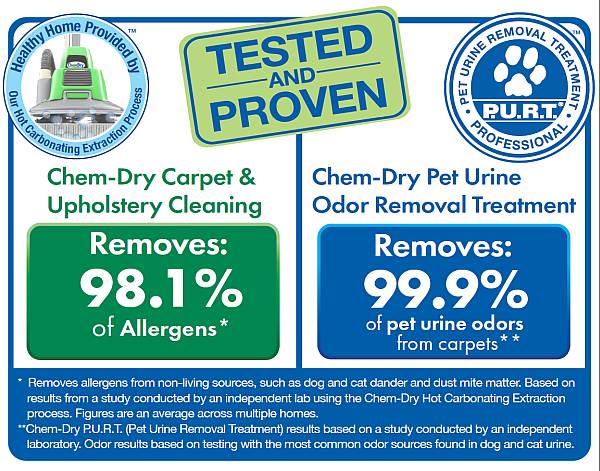
Chem-Dry’s Hot Carbonating Extraction emphasizes low-water cleaning and targeted extraction to reduce residue and drying time compared with conventional steam or hot water extraction. In practical terms, HCE typically uses about 80% less water, which shortens drying windows from 1–2 days to 1–4 hours and reduces moisture exposure for fibers and subflooring. Recent service claims indicate significant allergen reduction and improved bacterial reduction when protection solutions are applied, translating into healthier indoor environments for sensitive occupants. For homes with heavy soils or deep-set stains, localized pre-treatment or supplemental methods may be recommended, but for routine maintenance and allergy-prone households HCE generally provides superior outcomes. The evidence suggests that choosing HCE balances cleaning efficacy with convenience and long-term indoor health.
Different cleaning methods deliver distinct practical outcomes; compare the main characteristics below to choose the best approach for your needs.
| Approach | Characteristic | Typical Outcome |
|---|---|---|
| Hot Carbonating Extraction (HCE) | Low water, carbonated agitation, targeted extraction | Fast drying, low residue, effective allergen removal |
| Traditional Steam / Hot Water Extraction | High-temperature rinse with large water volume | Deep soil removal for heavy soiling but longer drying, higher moisture exposure |
| Encapsulation / Low-moisture systems | Polymer encapsulation of soils | Quick turnaround but may require more frequent cleaning for deep soils |
This comparison shows that HCE is optimized for frequent, health-focused maintenance while steam methods remain useful for severe soiling; choosing between them depends on fiber condition, allergy concerns, and scheduling needs.
Why Are Eco-Friendly Carpet Cleaning Services Essential for a Healthy Home?
Eco-friendly carpet cleaning services reduce exposure to harsh chemicals and volatile organic compounds (VOCs), protecting children, pets, and individuals with chemical sensitivities. By using green-certified solutions and processes designed to remove allergens rather than mask odors, eco-focused providers improve indoor air quality and long-term household health. The primary benefits include lower toxicity risk, reduced VOC emissions, and compatibility with protective treatments that extend fabric life. Homeowners who prioritize green cleaning should evaluate product certifications and documented safety claims when selecting a service. The subsections below examine the safety attributes of a recognized green solution and explain how eco-friendly cleaning translates into measurable indoor air quality improvements.
What Makes The Natural® Cleaning Solution Safe for Families and Pets?
The Natural® cleaning solution is formulated to be non-toxic and green-certified, meaning its ingredients are selected to minimize harmful residues and respiratory irritants for occupants and pets. Because The Natural® focuses on biodegradable components and avoids aggressive surfactants and high-VOC solvents, it reduces the likelihood of chemical exposure after cleaning and supports safer re-entry times. The action of a green-certified solution complements mechanical extraction: it helps suspend soils for removal without leaving persistent chemical films that attract dirt. For households with infants, sensitive pets, or allergy sufferers, choosing a green-certified product reduces cumulative chemical load and supports a healthier indoor environment. Safety-conscious homeowners should prioritize both product credentials and method (low-water extraction) to maximize benefits.
Eco-friendly cleaning connects directly to indoor air quality by reducing residual chemicals and improving particulate removal, which we discuss next.
- The Natural® reduces persistent chemical residues that can volatilize and degrade air quality after cleaning.
- Green-certified detergents minimize respiratory irritants and lower the risk of skin or eye irritation in sensitive occupants.
- Biodegradable formulations reduce environmental impact during wastewater disposal and support sustainable home maintenance.
These points illustrate practical advantages of eco-focused products. Selecting a certified solution for regular maintenance supports both occupant health and environmental stewardship while complementing effective extraction methods.
How Does Eco-Friendly Cleaning Improve Indoor Air Quality?
Eco-friendly cleaning improves indoor air quality by enhancing particle and allergen removal while minimizing volatile chemical emissions that can linger after cleaning. Removing embedded dust mites, pollen, and pet dander from carpet fibers reduces the supply of airborne particles generated during everyday activity, directly lowering inhalation exposure. At the same time, avoiding high-VOC cleaners prevents off-gassing that can contribute to headaches, irritation, or long-term respiratory strain, especially in poorly ventilated spaces. Recent studies and industry guidance emphasize that balanced mechanical removal plus low-toxicity chemistries yields the best air-quality outcomes. For homeowners, this means cleaner carpets contribute to a measurable reduction in indoor allergen load and a safer breathing environment for occupants of all ages.
How Do Fast Drying Carpet Cleaning Solutions Minimize Disruption and Prevent Mold?
Fast drying carpet cleaning methods reduce the time a home is unusable and limit the moisture window that fosters mold and mildew growth. Minimizing applied water while maximizing soil lift ensures carpets dry within hours instead of days, allowing normal household activity to resume quickly and reducing the risk of microbial proliferation in padding and subfloors. Faster drying also lowers the chance of re-soiling, because less residual moisture means fewer tacky residues to attract dirt. For property managers and busy families, these operational advantages translate into scheduling flexibility and lower remediation risk. The following subsections explain the mechanics behind reduced water use and show how fast drying protects a home from mold.
Why Does Chem-Dry Use About 80% Less Water for Faster Drying?
Chem-Dry’s approach emphasizes applying a concentrated carbonated solution followed by powerful extraction, which typically uses about 80% less water than conventional steam cleaning. The reduced water volume comes from targeted application and efficient recovery systems that extract the majority of applied moisture during treatment. Reduced water translates into typical drying windows measured in 1–4 hours rather than 1–2 days; this lowers disruption and minimizes subfloor exposure to moisture. For homeowners, that faster turnaround enables quicker use of treated rooms and decreases the chance of moisture-related problems.
- Less water reduces drying time and shortens the period that microbes can grow.
- Efficient extraction prevents packing of residues which can re-attract soils.
- Short drying windows improve convenience for families and businesses.
These operational benefits explain why low-water systems are preferred for routine maintenance and allergy-sensitive environments.
How Does Faster Drying Protect Your Home from Mold and Mildew?
Mold and mildew require sustained moisture and organic material to establish colonies, and carpets that remain damp for 24–48 hours provide an ideal environment for growth. Faster drying interrupts that timeline: drying within hours reduces the lifespan of moisture that supports spores, making colonization far less likely. In addition, thorough extraction removes organic food sources—dust, skin cells, and pet dander—further reducing mold risk. Homeowners should pair fast-drying cleaning with adequate ventilation and humidity control to maintain safe conditions. By prioritizing methods that minimize water exposure, homeowners reduce the need for costly mold remediation and protect indoor air quality.
What Specialized Pet Odor Removal Services Make a Carpet Cleaning Service Stand Out?
Specialized pet odor removal services address the underlying chemical and bacterial changes that make urine and other pet odors persistent; successful treatments penetrate and neutralize the source instead of masking scents. Professional processes diagnose urine location and saturation depth, apply enzyme-based or targeted chemical neutralizers, and extract contaminants to prevent reoccurrence. P.U.R.T. (Pet Urine Removal Treatment) is an example of a multi-step professional protocol designed to dissolve and neutralize urine compounds at the fiber and padding level. Homeowners with repeat pet incidents benefit most from professional assessment and source-focused treatments rather than over-the-counter deodorizers that only hide symptoms. The subsections below explain the P.U.R.T. mechanism and rank effective professional and at-home solutions for tough pet stains.
How Does Chem-Dry’s P.U.R.T. Treatment Eliminate Pet Urine Odors at the Source?
Chem-Dry’s P.U.R.T. (Pet Urine Removal Treatment) works by identifying contaminated zones, applying targeted enzymatic and neutralizing agents that break down urine crystals and odor-causing compounds, and extracting both the treatment and dissolved residues. The mechanism targets the molecular components responsible for persistent odor rather than simply masking the smell with fragrances. Penetration into padding is assessed and, when necessary, treatments are repeated or combined with structural interventions to reach deep contamination. This professional approach restores carpet and pad integrity in many cases and prevents repeat odor events by removing the biological substrate that fuels re-odorization. For persistent or long-standing incidents, professional testing and multi-stage treatment are recommended over single-step consumer products.
Introductory note: The table below compares P.U.R.T. to common enzymatic cleaners so readers can weigh mechanisms and likely results.
| Treatment | Mechanism | Result |
|---|---|---|
| P.U.R.T. (Professional) | Targeted enzymatic/neutralizer + extraction | Source neutralization, reduced re-odor, deeper remediation |
| Generic Enzymatic Cleaner | Enzyme spray with limited extraction | Surface odor reduction; possible reappearance if padding contaminated |
| Masking Deodorizer | Fragrance or temporary binder | Short-term scent cover; does not remove underlying compounds |
This comparison highlights why source-focused professional treatments outperform surface approaches and when each option may be appropriate.
What Are Effective Solutions for Tough Pet Stains and Odors?
Tough pet stains and odors require a tiered response: accurate diagnosis, appropriate chemistry, and extraction or repair when necessary. Effective professional solutions include enzymatic neutralization combined with extraction and, where padding is affected, pad replacement or structural remediation. At-home approaches can help for fresh incidents—prompt blotting and enzymatic sprays—but they often cannot reach saturated padding or fully neutralize aged urine crystals. Homeowners should call professionals for recurrent problems, unusual discoloration, or strong odors that return after cleaning. Choosing the right action early prevents costly long-term repairs and preserves carpet appearance and indoor air quality.
- For fresh incidents: immediate blotting, enzymatic cleaner, and airflow to dry.
- For recurring incidents: professional assessment and P.U.R.T.-style treatment.
- For saturated padding: consider pad replacement and deep remediation.
These guidelines help pet owners decide between DIY care and professional intervention based on severity and recurrence.
How Do Certified Technicians and Customer Care Build Trust in Carpet Cleaning Services?
Certified technicians and robust customer care systems signal reliable outcomes, transparent practices, and consistent service quality. Certification standards, documented training, and ongoing education equip technicians to select appropriate methods, calibrate equipment, and follow safety protocols that protect fibers and occupants. Clear pricing, written guarantees, and responsive communication reduce purchase friction and help homeowners compare providers on objective criteria. Trust builds when technical competence aligns with service transparency and verified reviews. The subsections below outline the role of industry certification and present a practical checklist for interpreting reviews and guarantees when choosing a provider.
Why Is IICRC Certification Important for Carpet Cleaning Professionals?
IICRC certification represents adherence to industry-recognized standards for cleaning, restoration, and carpet care, ensuring technicians understand material-specific procedures and safety considerations. This credential indicates training on proper equipment use, drying protocols, and contamination control, which reduces the risk of damage and improves cleaning outcomes. For homeowners, hiring technicians with recognized certifications means services align with best practices and are more likely to be effective for specialized needs such as water intrusion, mold prevention, or delicate fiber care. Verifying credentials and asking about continuing education gives clarity about a provider’s technical competence and commitment to quality.
- IICRC-trained technicians follow standardized protocols for testing, drying, and remediation.
- Certification reduces variability in method selection and improves predictable outcomes.
- Homeowners should ask technicians about specific training relevant to their needs.
These points reveal why certification matters when comparing professional service providers.
What Do Customer Reviews and Service Guarantees Reveal About Quality?
Customer reviews and service guarantees provide social proof and operational clarity that indicate consistency, responsiveness, and accountability in a provider’s offerings. Reviews reveal patterns—repeat praise for punctuality, workmanship, or problem-solving—and complaints often point to isolated issues or recurring service gaps. A meaningful service guarantee outlines scope, remedies, and timelines, giving homeowners a clear expectation of results and recourse if outcomes fall short. Evaluating multiple reviews and verifying guarantees helps consumers choose providers that combine technical skill with strong customer care. Use reviews to identify consistent strengths or weaknesses and read guarantees to understand what is and isn’t covered before booking.
Checklist for evaluating providers:
- Consistency: Do reviews show repeated strengths in cleaning quality and punctuality?
- Responsiveness: Does the company respond promptly to complaints or follow-up requests?
- Guarantee clarity: Is the guarantee written, specific, and time-bound?
| Credential / Practice | Attribute | Benefit |
|---|---|---|
| IICRC Certification | Standardized training | Predictable, safe cleaning outcomes |
| Written Service Guarantee | Scope and remedies | Consumer confidence and accountability |
| Technician Training | Method-specific skills | Reduced risk of fiber damage |
These elements together show how technical qualifications and transparent customer care create trust in carpet cleaning services.
What Comprehensive Cleaning Services Extend Beyond Carpet Cleaning?
Comprehensive cleaning services treat the home as a system where carpets interact with upholstery, rugs, mattresses, and HVAC components; addressing multiple vectors of contaminants produces larger indoor health gains. Coordinated cleaning reduces cross-contamination—dust and dander transferred between floors and furniture—and aligns maintenance schedules to maximize convenience and effectiveness. Offering bundled services often improves pricing and reduces disruption compared to separate service calls. The subsections below explain how upholstery and area rug care complements carpet maintenance and why including mattress and air duct cleaning can improve overall household health.
How Does Upholstery and Area Rug Cleaning Complement Carpet Care?
Upholstery and area rug cleaning addresses fibers and surfaces that trap the same contaminants as carpets—pet dander, dust mites, and spilled soils—so cleaning them together provides a unified reduction in allergen reservoirs. Treating upholstered furniture and rugs with compatible methods prevents re-contamination of freshly cleaned carpets and extends the life of fabrics through appropriate product selection and technique. Area rugs, often constructed from different fibers than wall-to-wall carpet, require specialized cleaning to avoid shrinkage or color loss; professionals coordinate methods to preserve both rugs and surrounding flooring. Bundling these services reduces total disruption and delivers a cohesive healthy-home strategy.
- Coordinated cleaning reduces re-transfer of allergens between surfaces.
- Specialized rug care preserves fibers and color while removing embedded soils.
- Scheduling upholstery and carpet together maximizes efficiency and value.
These practices help homeowners achieve broader indoor health improvements beyond individual carpet treatments.
Why Include Mattress and Air Duct Cleaning in Your Healthy Home Routine?
Mattress and air duct cleaning target critical reservoirs that influence sleep health and whole-house air quality: mattresses house skin cells and dust mites, while ducts distribute airborne particulates that influence occupant exposure. Cleaning mattresses reduces allergen load in the sleeping environment, which benefits those with allergies or respiratory conditions, while duct cleaning removes accumulated dust and biological growth that can circulate during HVAC operation. Including these services on a maintenance schedule ensures a multipronged approach to allergen reduction and supports the effectiveness of carpet and upholstery cleaning. Homeowners should prioritize mattress cleaning for symptomatic sleepers and consider duct cleaning when HVAC systems show reduced airflow or visible contamination.
- Mattress cleaning reduces direct nighttime allergen exposure.
- Air duct cleaning lowers circulating particulate and microbial loads.
- Integrating these services with carpet and upholstery care maximizes indoor air improvements.
Service bundles that include these components provide a comprehensive healthy-home maintenance plan and save time compared to separate scheduling.
For professional appointments or quotes in the local service area, Chem-Dry of The Kawarthas offers HCE-based cleaning, green-certified products like The Natural®, and specialized P.U.R.T. pet urine treatments. Local homeowners can inquire about tailored packages and scheduling through the company’s local contact channels or their verified local business listing to confirm services for nearby communities.
- Health-focused cleaning: Choose methods that prioritize allergen and bacteria reduction.
- Eco-certified products: Use green solutions for family- and pet-safe cleaning.
- Fast drying and low water use: Reduce mold risk and downtime after cleaning.
These integrated choices help homeowners maintain a cleaner, safer home environment with professional support where needed. For appointments, ask about specific treatments, product credentials, and any guarantees before scheduling.